
Heart-To-Heart



Small Changes, Big Impact: Texas Tech Health El Paso President Richard Lange Urges Everyday Heart Health Habits
Bilingual “Heart-to-Heart” session highlights prevention, audience questions and practical steps to reduce cardiovascular risk
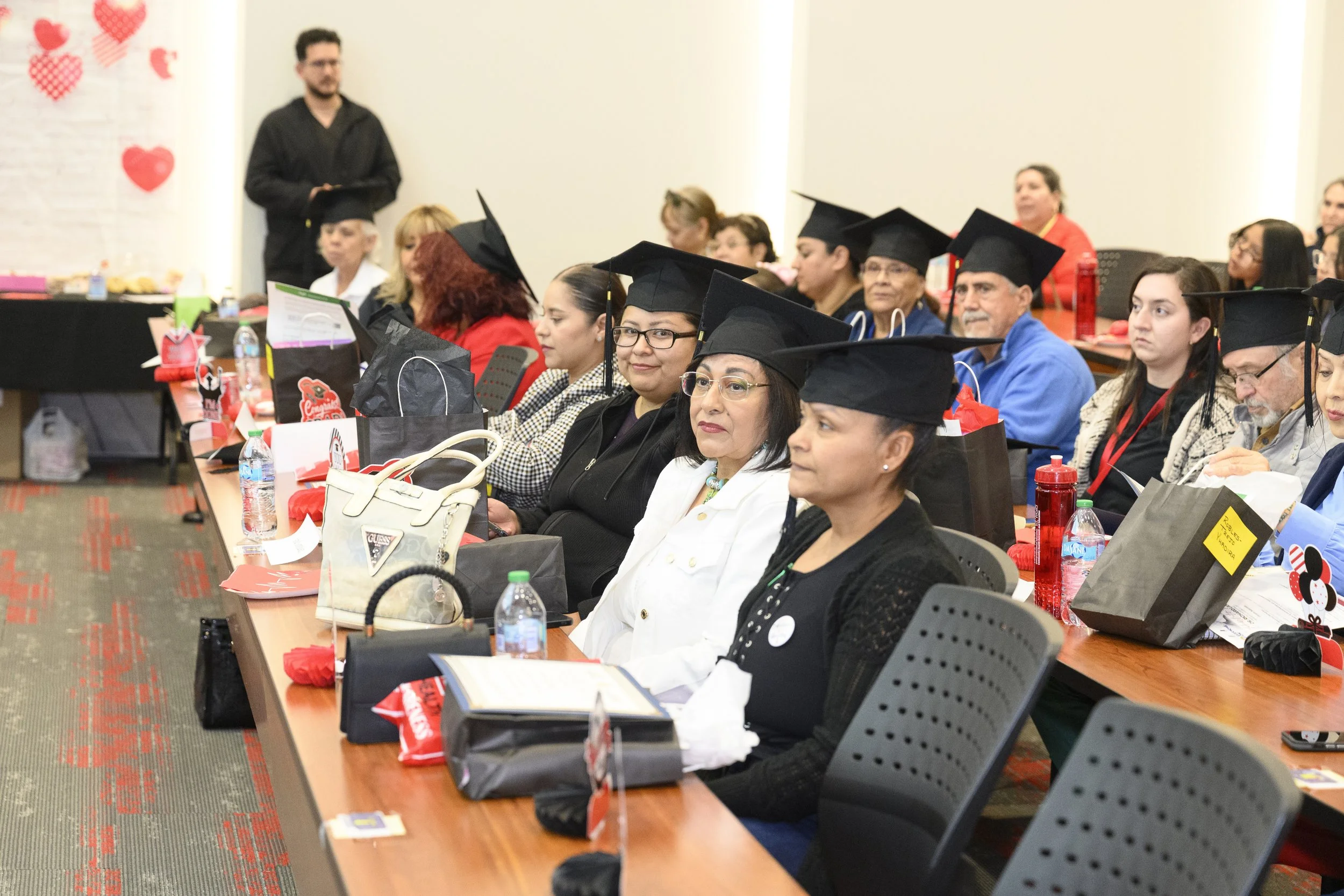
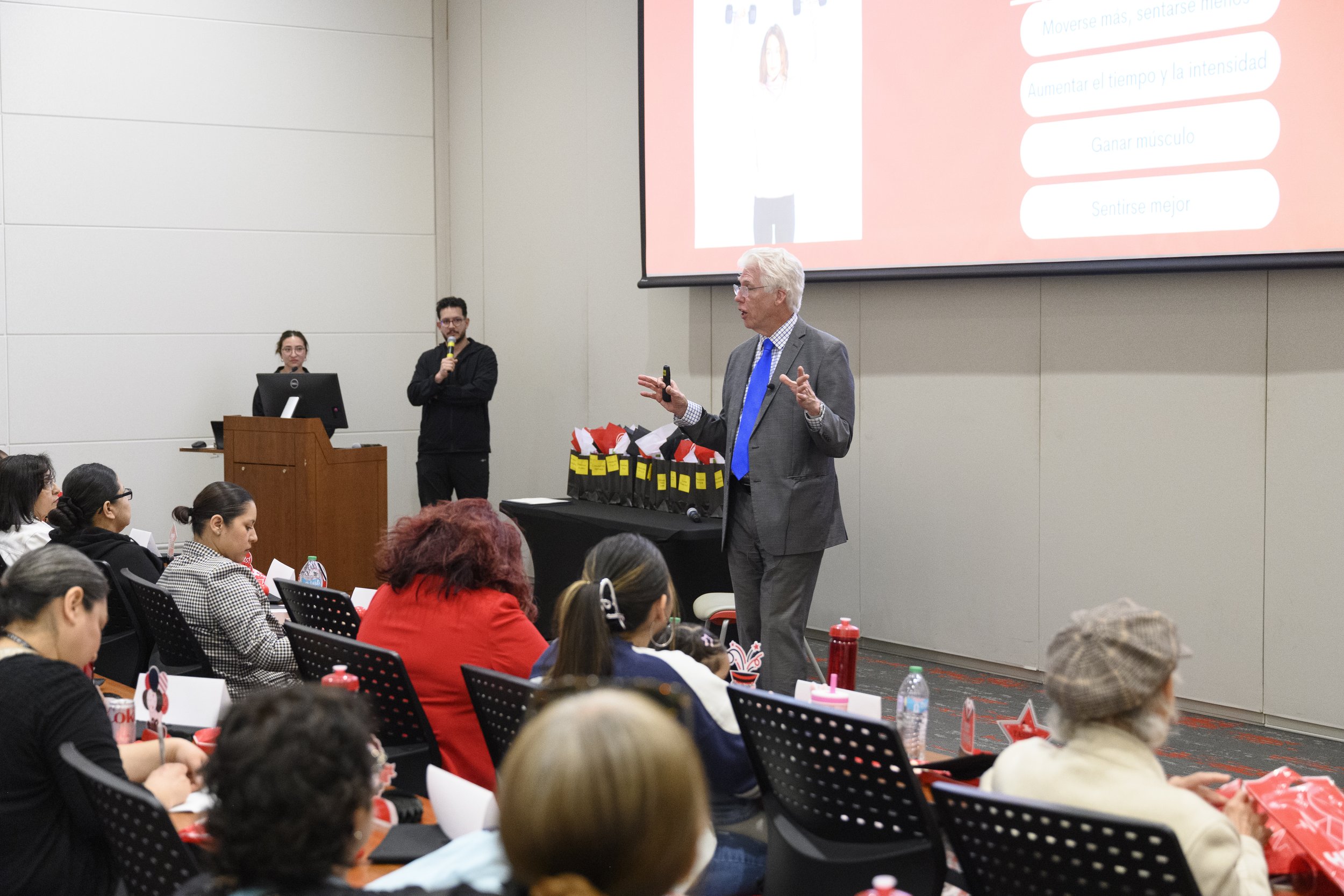
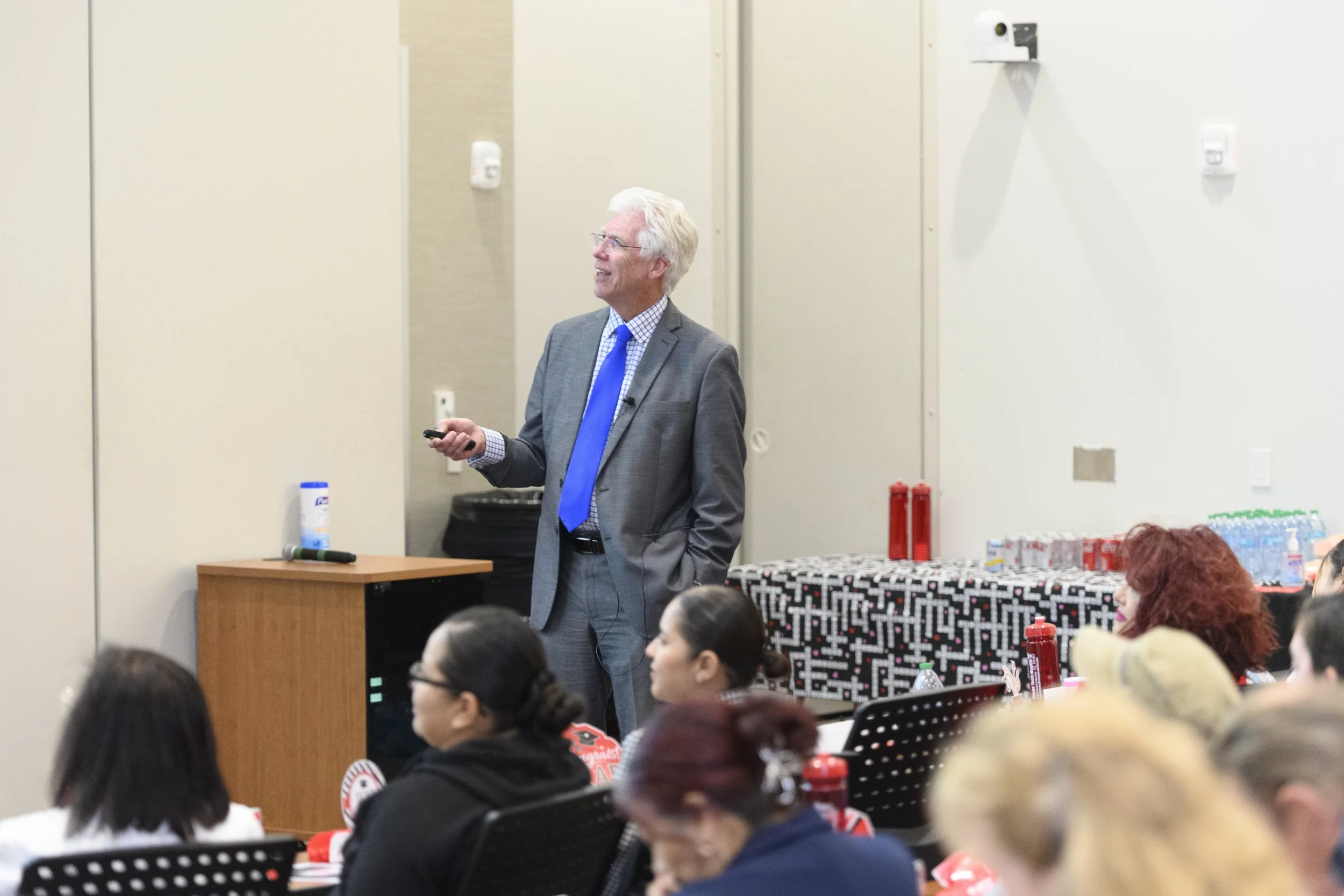
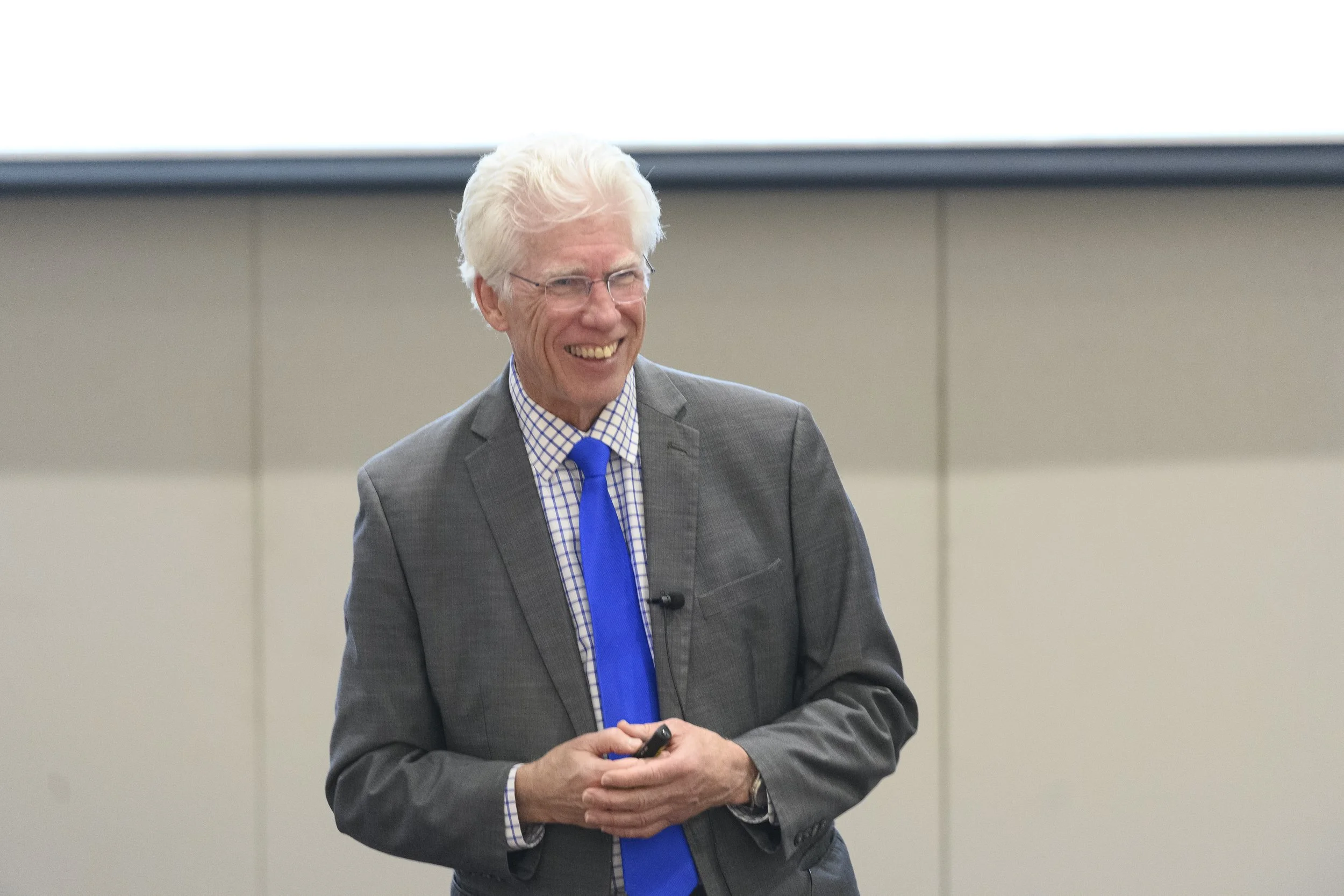
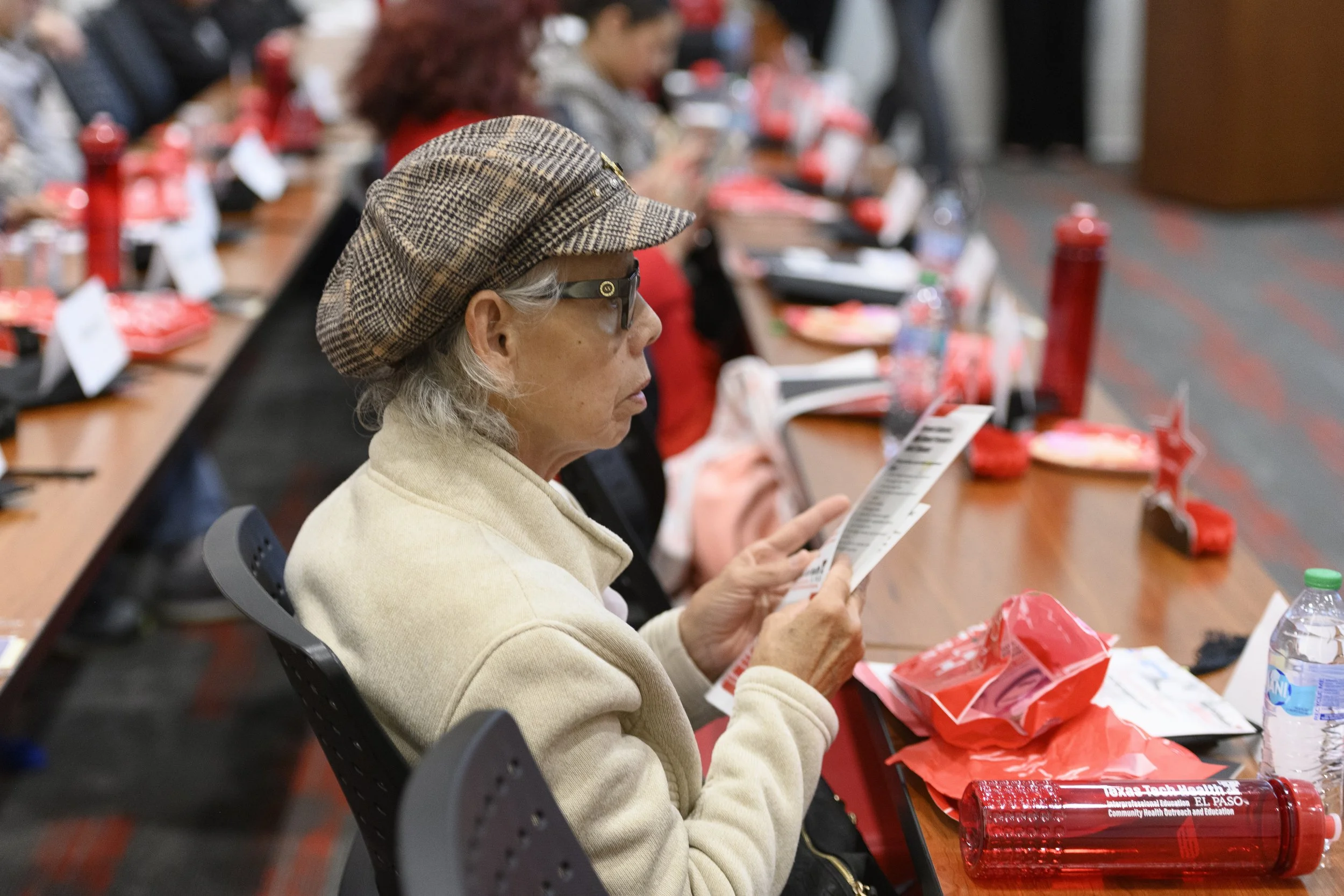
Texas Tech Health El Paso President Richard Lange, M.D., M.B.A., told a campus audience on Tuesday, Feb. 17 that heart disease remains the most common cause of death locally and nationally — and that much of the risk is preventable. The two-hour educational session and Q&A for community members was billed as a “Heart-to-Heart With Dr. Richard Lange.”
The event was hosted by the Office of Interprofessional Education’s Community Health Outreach and Education (CHOE), which provides free digital health literacy and digital skills sessions for community members. The Community Digital Health Academy, an initiative of CHOE, received a $14,000 grant from EveryoneOn to support the program and distribute 105 tablets to graduates. The Academy is an initiative of CHOE and uses the services of promotores to train community members on access to information on the internet.
A practicing cardiologist, Dr. Lange emphasized to the audience that some of the biggest gains in heart health don’t start in a clinic, but in a parking lot. He urged attendees to build more movement into their daily routines, starting with not seeking the closest parking spot to your destination.
The event was held during American Heart Month, observed each February to raise awareness about cardiovascular disease and prevention.
“We’re here for three reasons,” Dr. Lange said. “Heart disease is common. Many of the risks we have, we actually can prevent. And sometimes very small changes we make in our lives make huge differences.”
Dr. Lange noted that while public attention often focuses on cancer, cardiovascular disease claims more lives. After three decades of declining heart-disease deaths, rates have increased again in recent years.
“While we decreased heart disease deaths substantially for 30 years, something has changed in the last 15 years,” he said, pointing to lifestyle factors such as inactivity, poor diet, stress and insufficient sleep.
Prevention Over Reversal
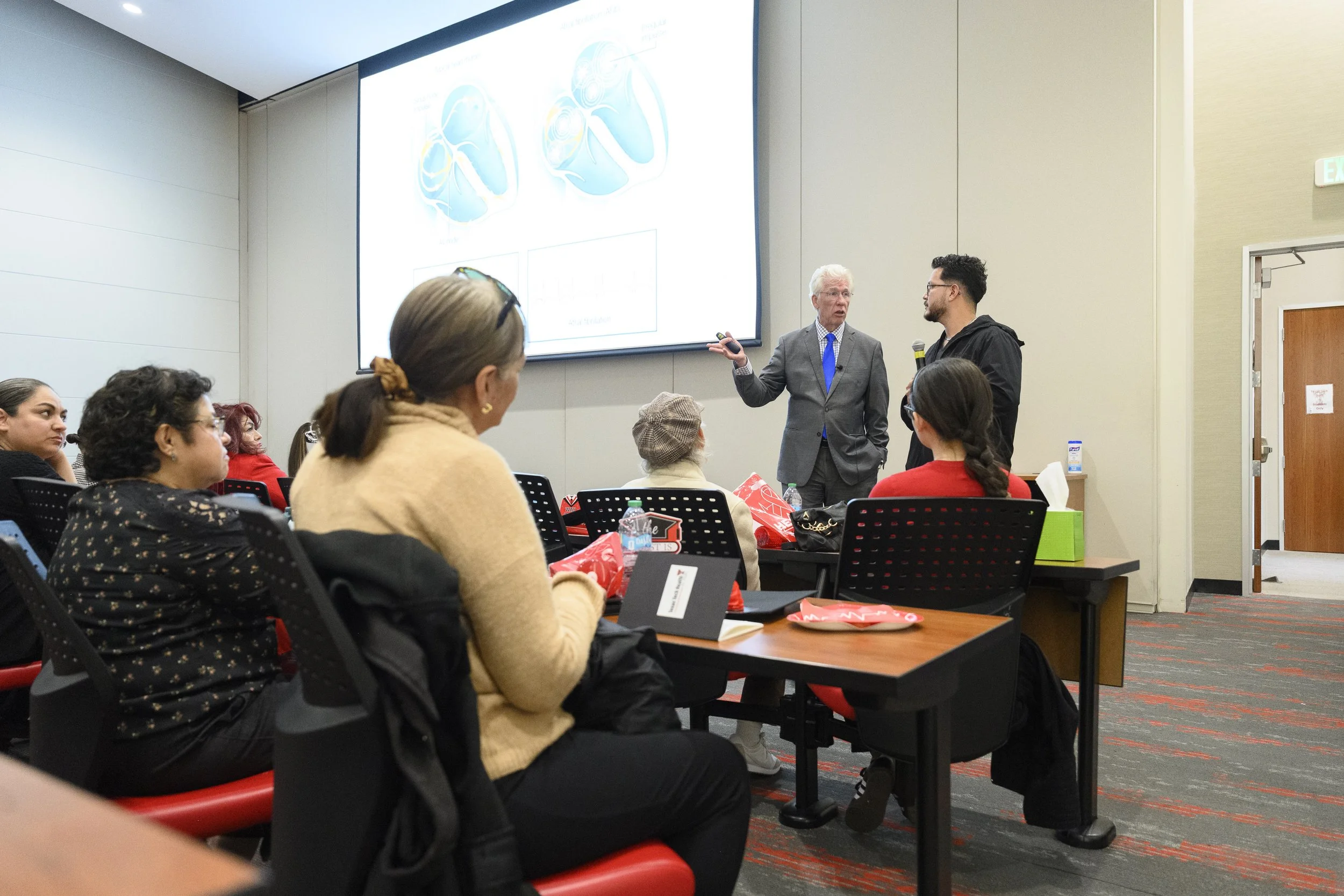
Dr. Lange explained how coronary artery disease develops over decades as cholesterol deposits narrow arteries. While some treatments can stabilize or open severe blockages, true reversal is limited.
“Because we can’t make it go away, we’re better off trying to prevent it,” he said.
He highlighted key risk factors individuals can control: blood pressure, cholesterol, diabetes, smoking, physical activity and weight.
“These are the risk factors you can change. You have control over this,” he said, adding with humor, “You can’t change your age. You can lie about it, but you can’t change it.”
For some attendees, the topic was deeply personal. Martha Cortez Jacome attended the session seeking answers about her 23-year-old daughter, who developed arrhythmia after contracting COVID-19 in 2020 and has undergone two heart surgeries.
“She was very healthy, very energetic,” Jacome said. “Then she started feeling sick — arrhythmias, headaches, fatigue and dizziness.”
Jacome said the presentation gave her information she hadn’t previously received, particularly about related conditions and specialists to consider.
“I’m desperate to learn,” she said.
Jacome also praised the presentation’s bilingual format.
“It’s very good that they can give you time for questions and be informed in your language,” she said. “Sometimes you don’t have this information in Spanish. Everybody needs to know this information.”
Small, Practical Steps
Rather than promote strict dieting, Dr. Lange encouraged portion control and balance.
“Notice I didn’t say go on a diet,” he said. “We’re going to make small changes.”
He recommended prioritizing fruits and vegetables, whole grains, beans, nuts and fish. He also encouraged limiting fried foods, excess red meat and sugary items. “Does that mean you should never eat those? No. Just in smaller quantities,” he said.
Exercise, he said, may be the closest thing to a universal prescription.
“If this was a pill, I would sell it for $100 per pill,” Dr. Lange said. “And it’s just exercise.”
He encouraged attendees to aim for about 30 minutes of walking most days of the week. He suggested an easy approach: Walk 15 minutes away from home, then 15 minutes back
“That simple exercise will lower your risk of having a heart attack or stroke by about 35%,” he said.
He also emphasized getting seven to nine hours of uninterrupted sleep at night. He warned that untreated sleep apnea can increase the risk of high blood pressure and irregular heart rhythms.
Know Your Numbers
Dr. Lange urged attendees to monitor their blood pressure, blood sugar and cholesterol levels. He noted that home blood pressure machines make it easier than ever to track readings over time.
The presentation included an extended question-and-answer session, with audience members asking about diabetes, thyroid conditions, atrial fibrillation, blood thinners and exercise.
He closed by reminding attendees to recognize warning signs of a heart attack — including heavy chest pressure, shortness of breath and pain radiating to the jaw or shoulder — and to seek emergency care quickly if symptoms occur.
Throughout the afternoon, Dr. Lange returned to a consistent message: Prevention begins with everyday choices, sometimes as simple as parking a little further away.
About Texas Tech Health El Paso
Texas Tech Health El Paso serves 108 counties in West Texas and is dedicated to preparing the next generation of health care heroes. Established as an independent university in 2013, Texas Tech Health El Paso is a uniquely innovative destination for medical, nursing, biomedical sciences and dental education.
Focusing on excellence in health care education, research, and clinical service, Texas Tech Health El Paso has graduated more than 2,600 professionals over the past decade. For more information, visit ttuhscepimpact.org.