
Treatment Within Reach



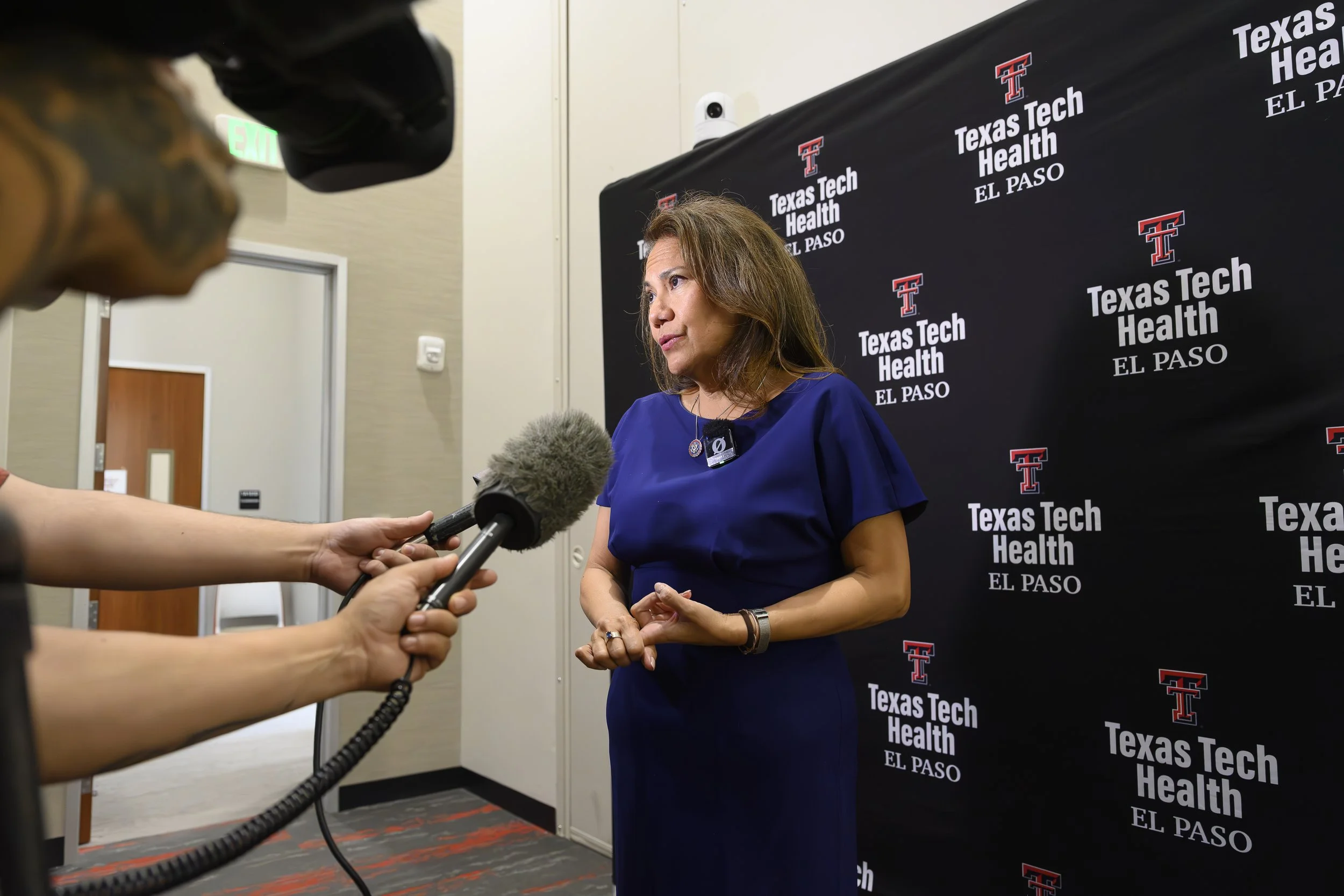
U.S. Rep. Escobar Presents Check to Texas Tech Health El Paso to Bring Advanced Cancer Treatment Technology to the Borderplex
$1.031 million contribution positions Fox Cancer Center to provide comprehensive cancer care close to home
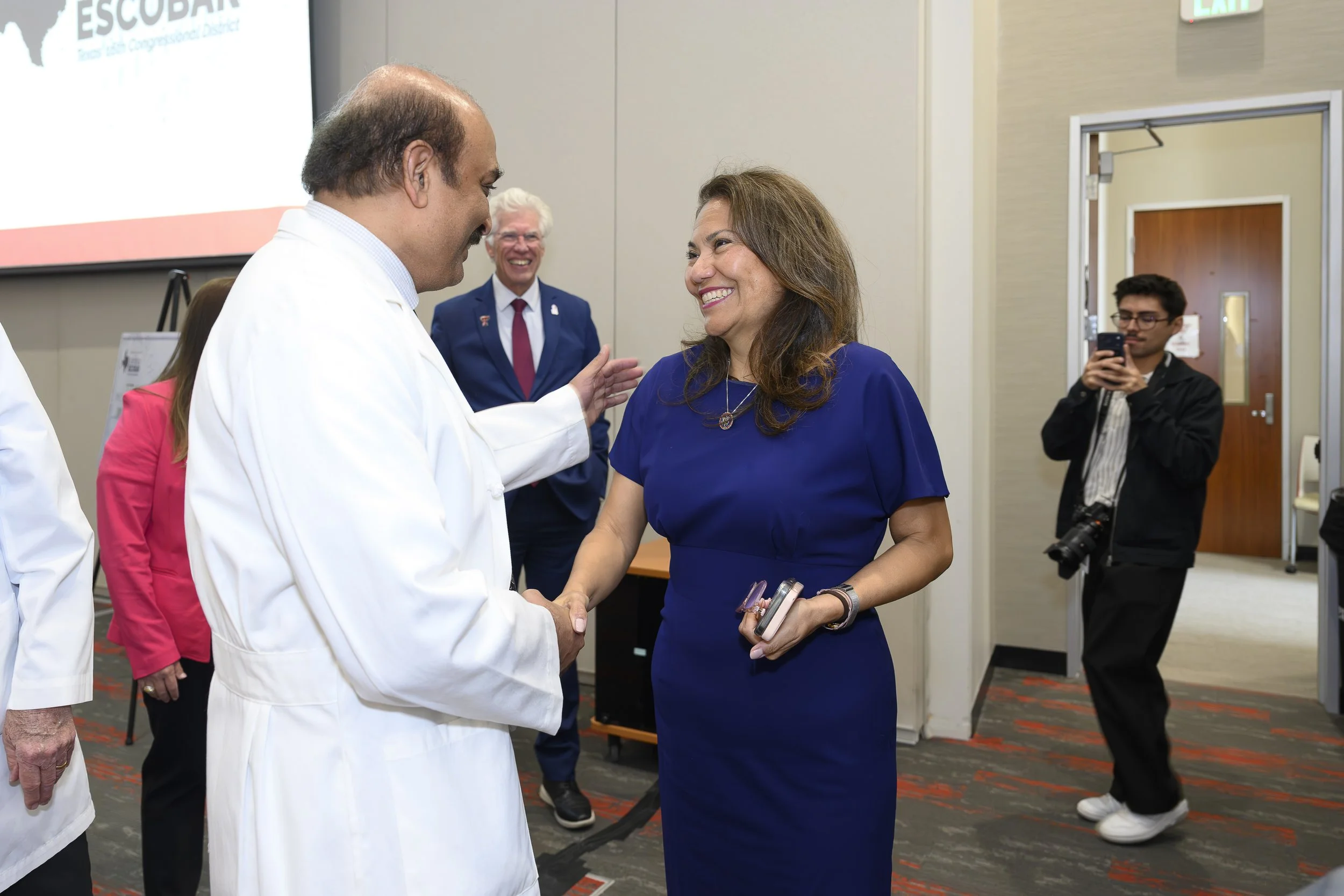
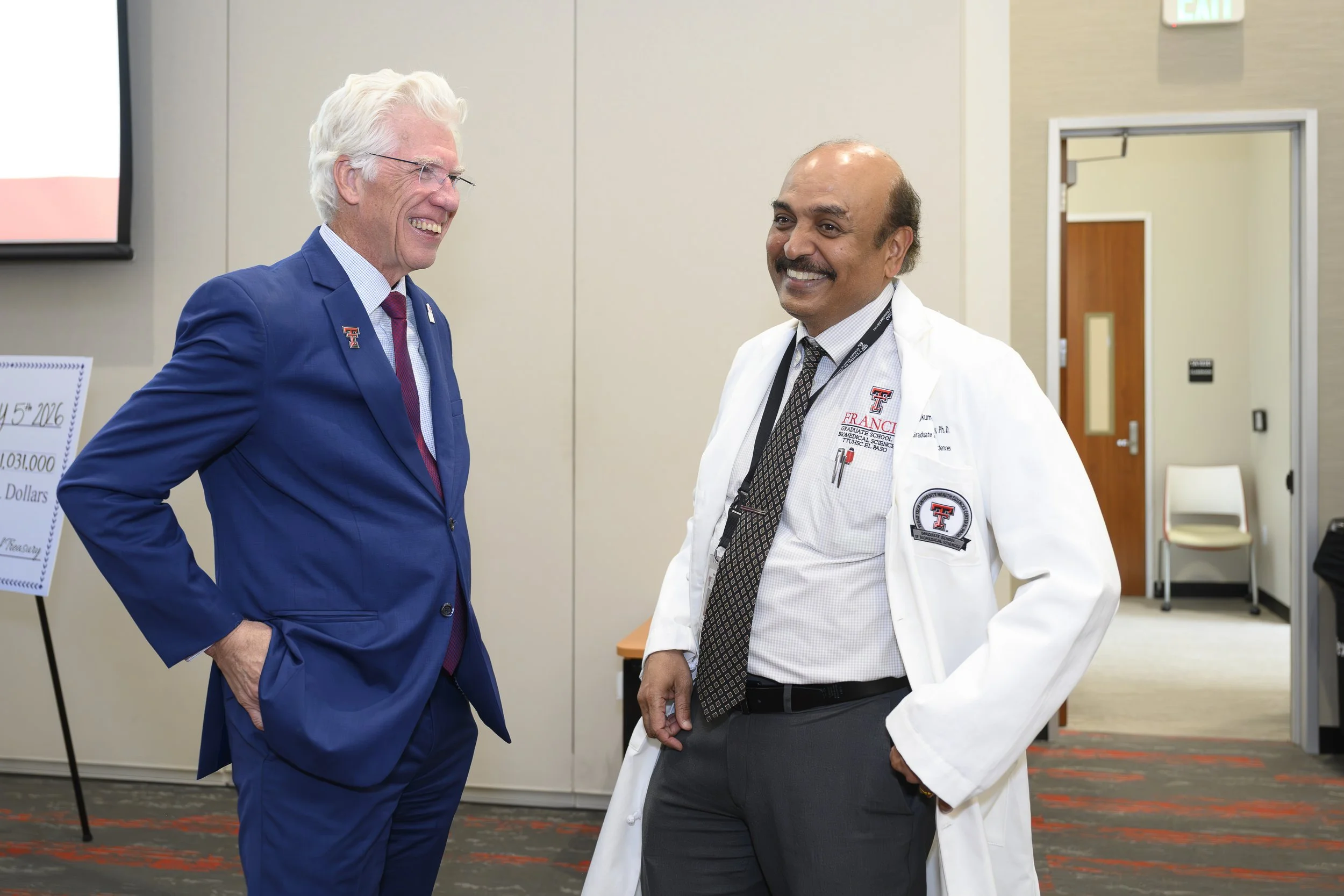
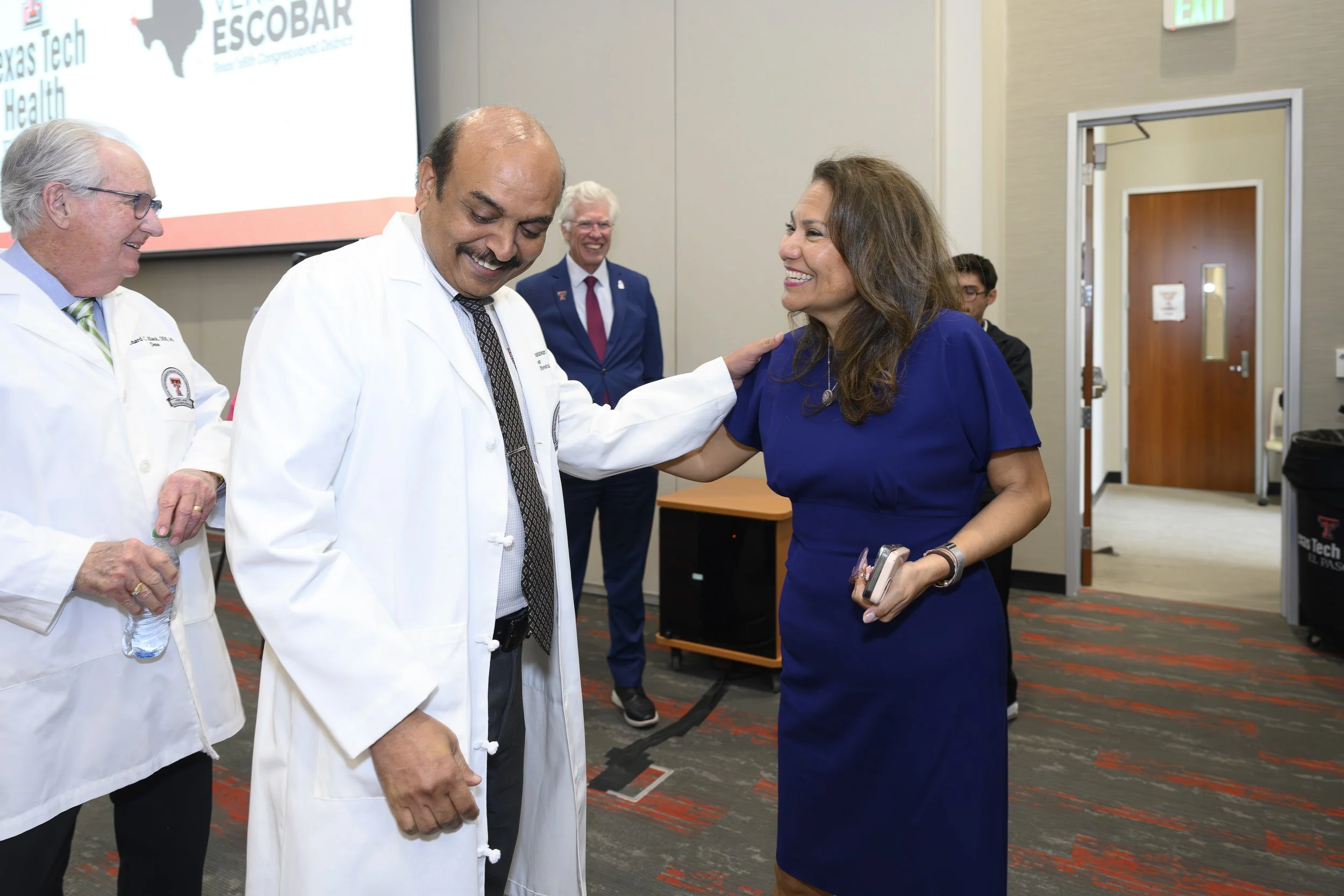
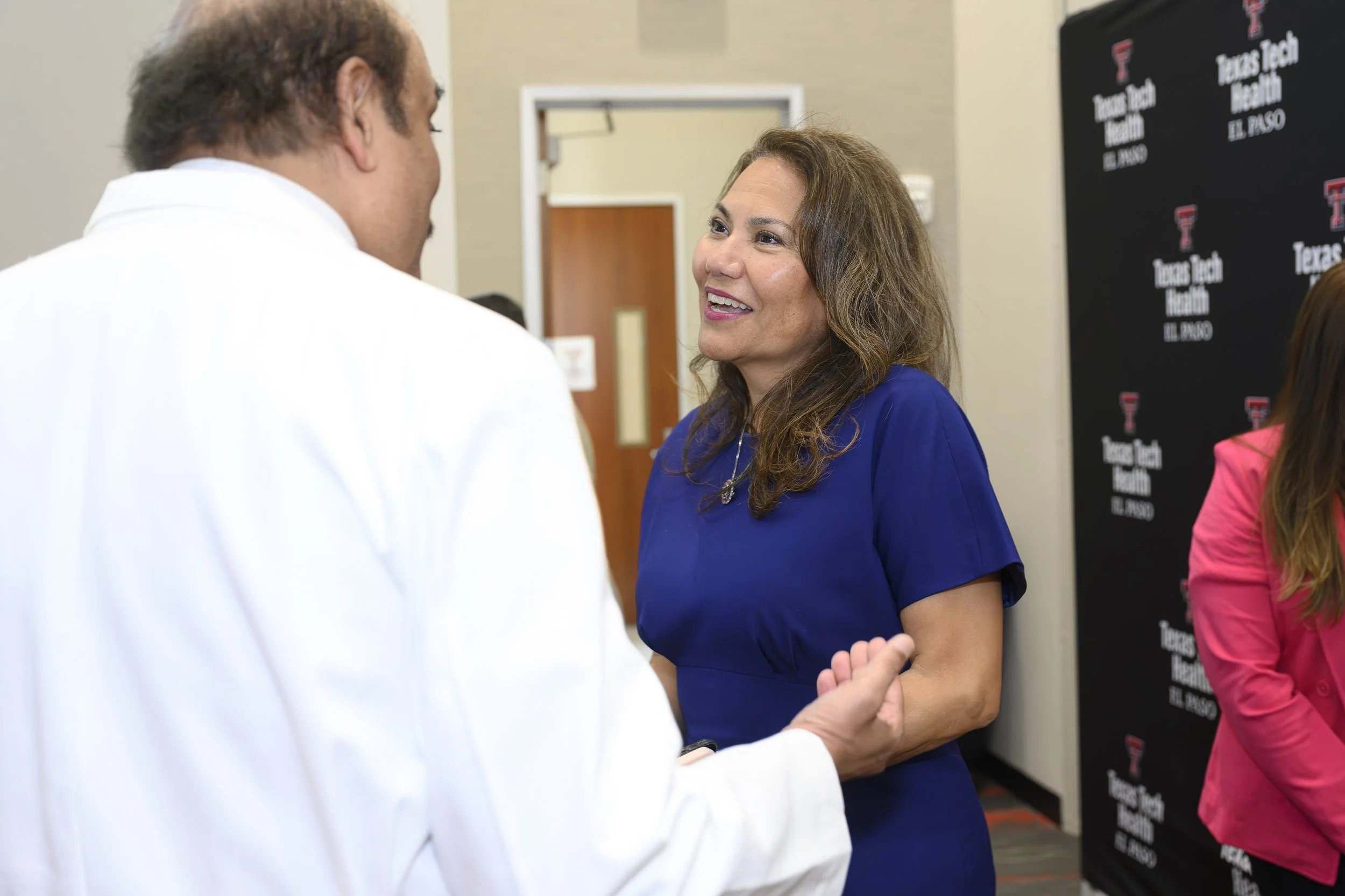
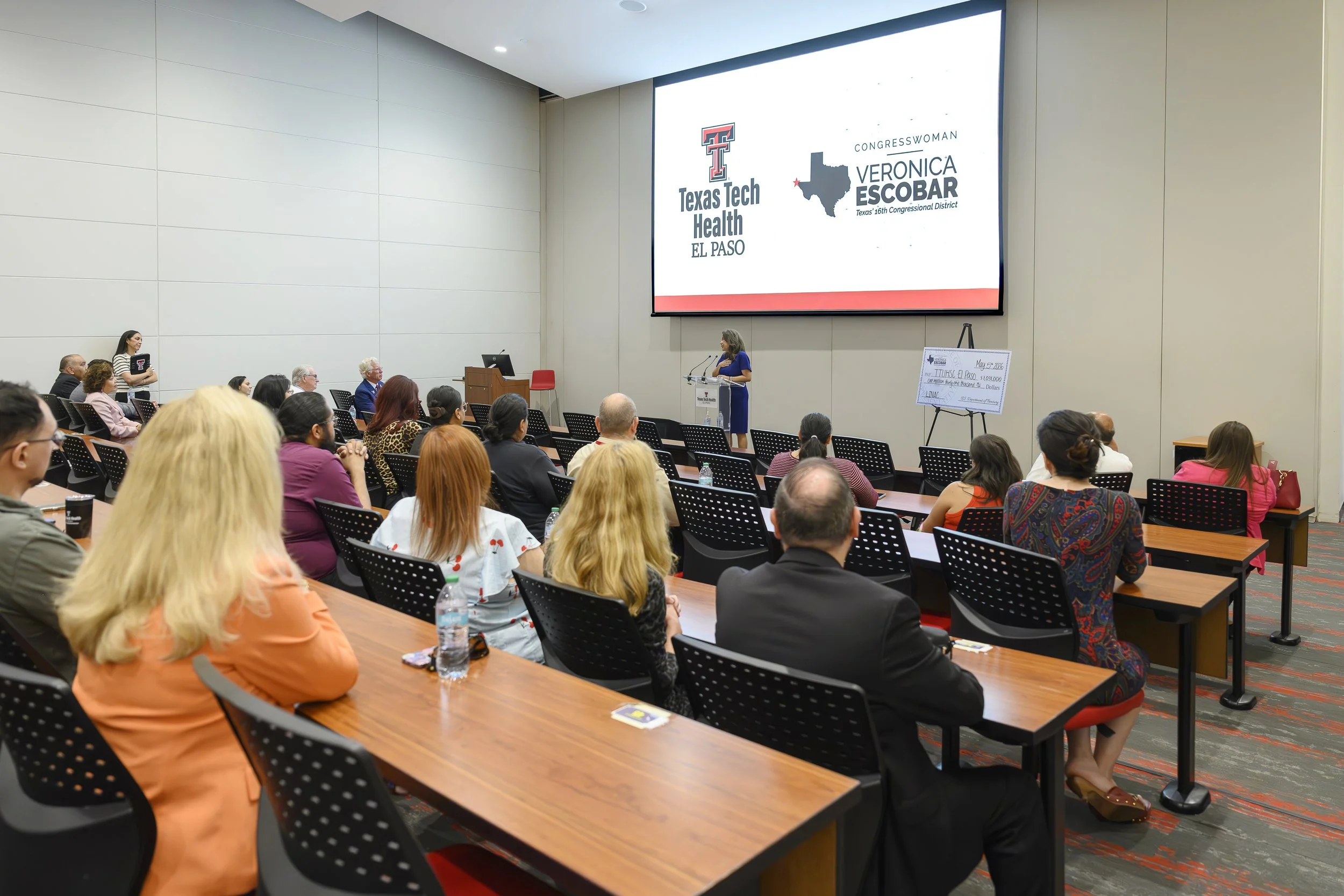
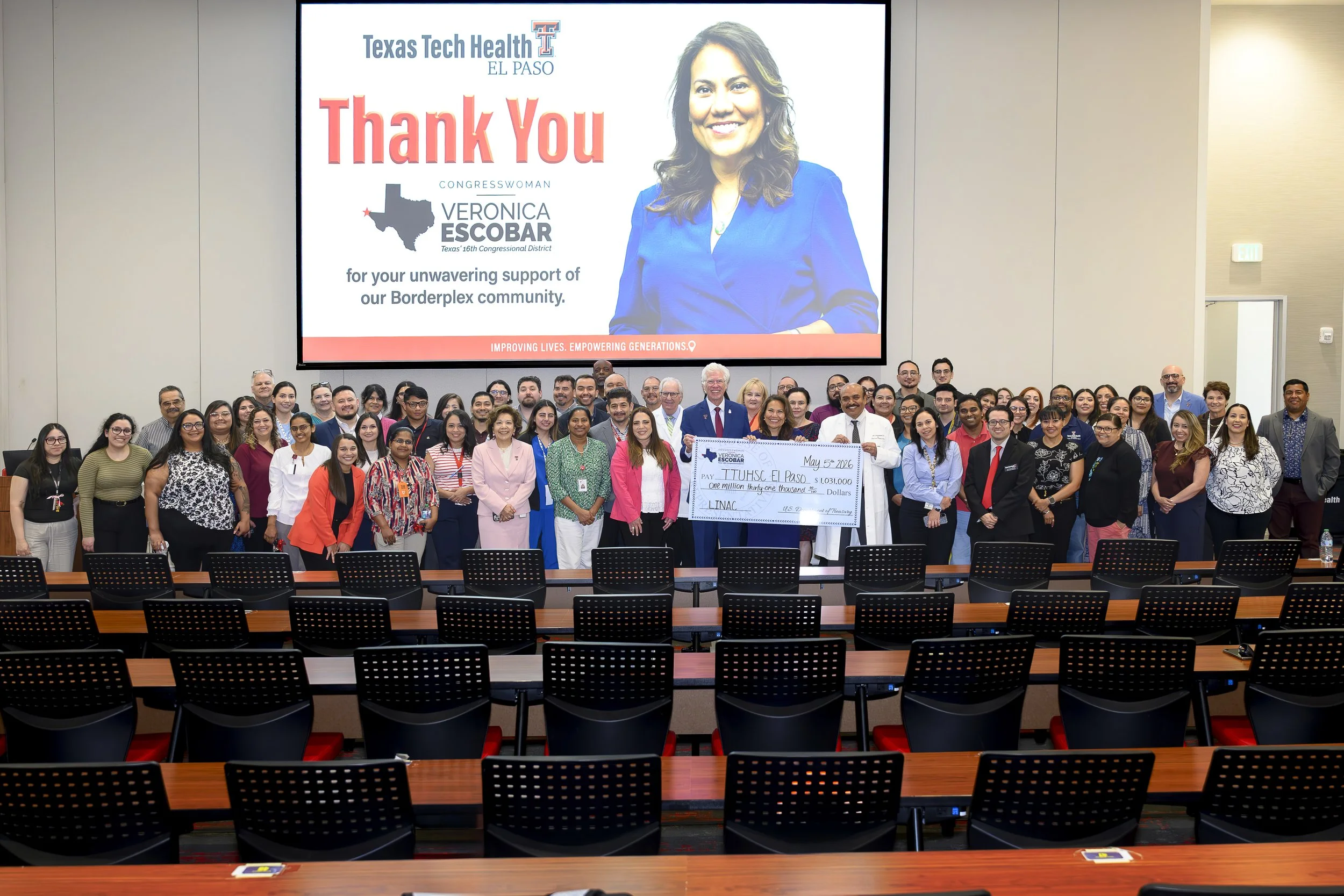
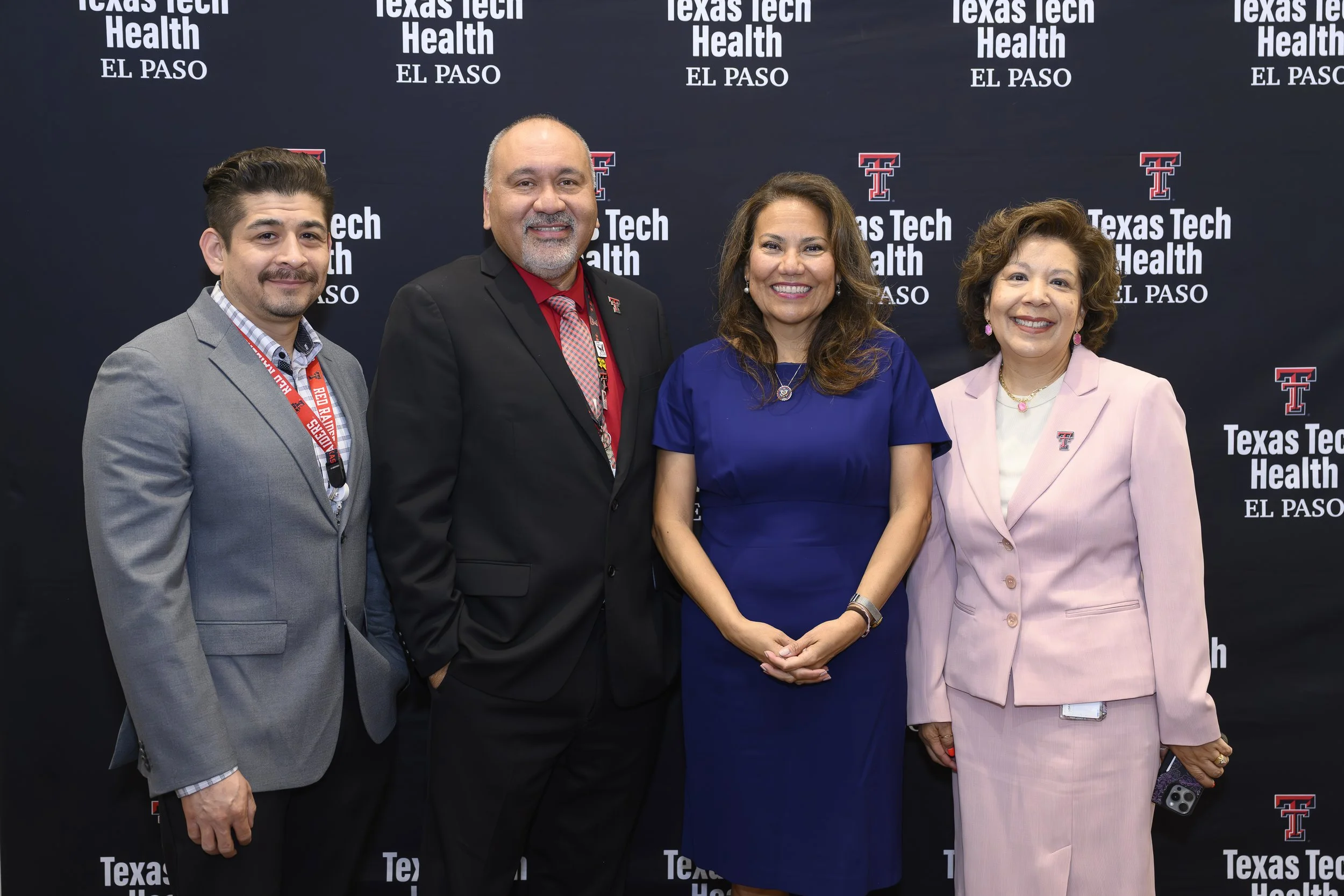
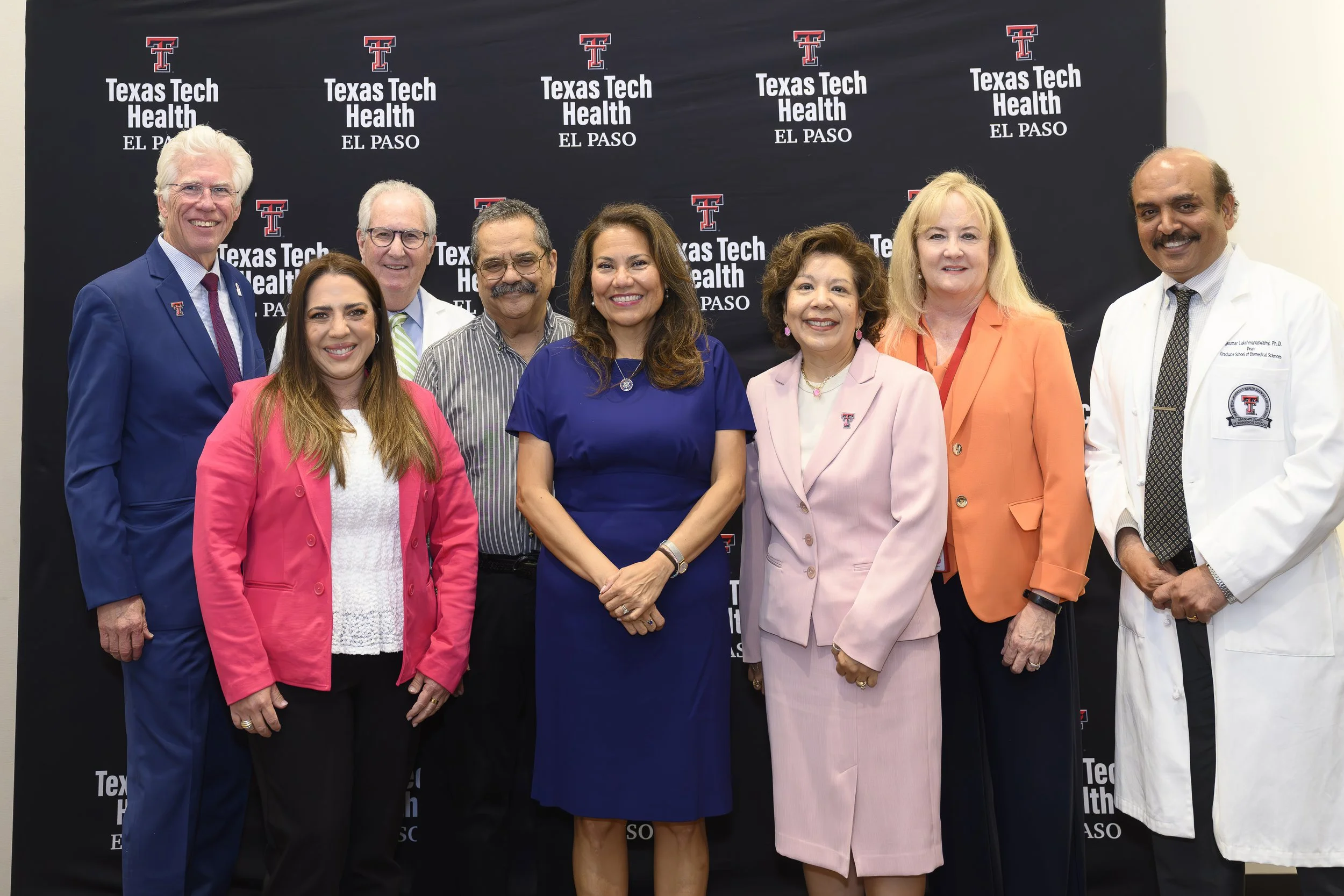
As two towering yellow cranes at the university worked in tandem to raise the Fox Cancer Center from the desert floor, U.S. Rep. Veronica Escobar presented Texas Tech Health El Paso with a symbolic $1.031 million federal check on Tuesday, representing the funding she secured to purchase linear accelerators, known as a LINACs, for the Fox Cancer Center.
The check presentation event marked a distinct step in a years-long effort to build the region's first research-anchored cancer center. When the Fox Cancer Center opens, patients across West Texas and southern New Mexico will no longer have to drive hundreds of miles for the kind of radiation therapy a LINAC provides.
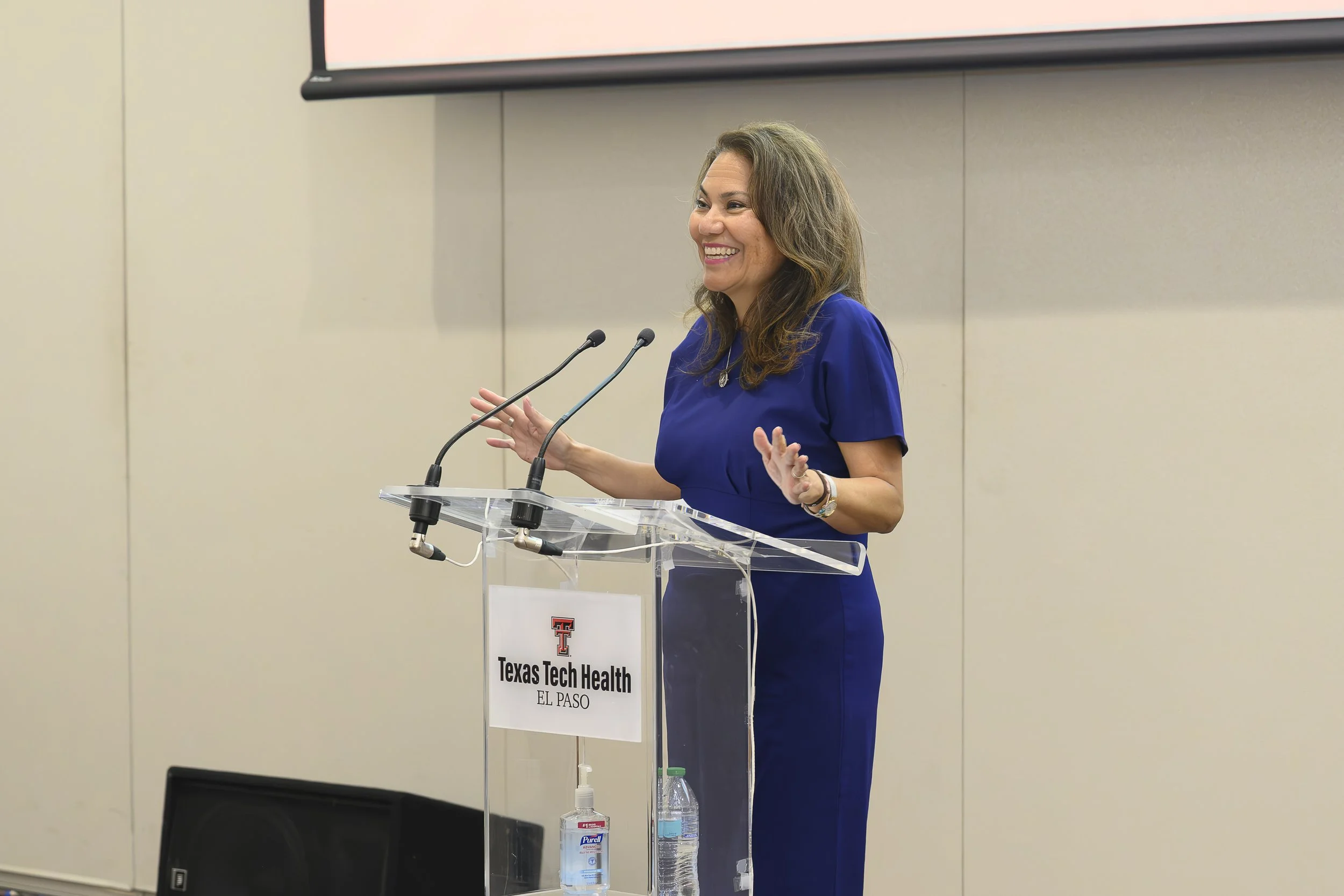
“Cancer is such a horrific disease, and it frequently strikes people who are otherwise perfectly healthy, which makes it an infuriating disease when it comes out of nowhere,” said Escobar. She thanked the Texas Tech Health El Paso community for its work in establishing a cancer center that will allow El Pasoans to remain home for treatment.
“There are countless El Pasoans who do not have the luxury of leaving their home, of having a job where they can take time off, of having health insurance,” she said.
LINACs target tumors with high-energy radiation, destroying cancer cells while minimizing damage to healthy tissue. The technology will also support cancer research at Texas Tech Health El Paso, enabling the study of how radiation interacts with different tumor types and potentially helping to develop more effective treatments.
Approximately 3,275 El Pasoans receive a cancer diagnosis every year. The Paso del Norte Borderplex, where 83% of residents are Hispanic, faces some of the highest cancer incidence and mortality rates among Hispanic communities in Texas, with colorectal, liver, leukemia, and cervical cancer rates among Hispanics exceeding state and national averages.
With two LINAC devices, the center is expected to serve up to 1,100 cancer patients annually, within an integrated, multidisciplinary facility that includes medical and surgical oncology, clinical trials, and an intravenous medication infusion center. It will be the first in the region to consolidate that standard of care under a single roof.
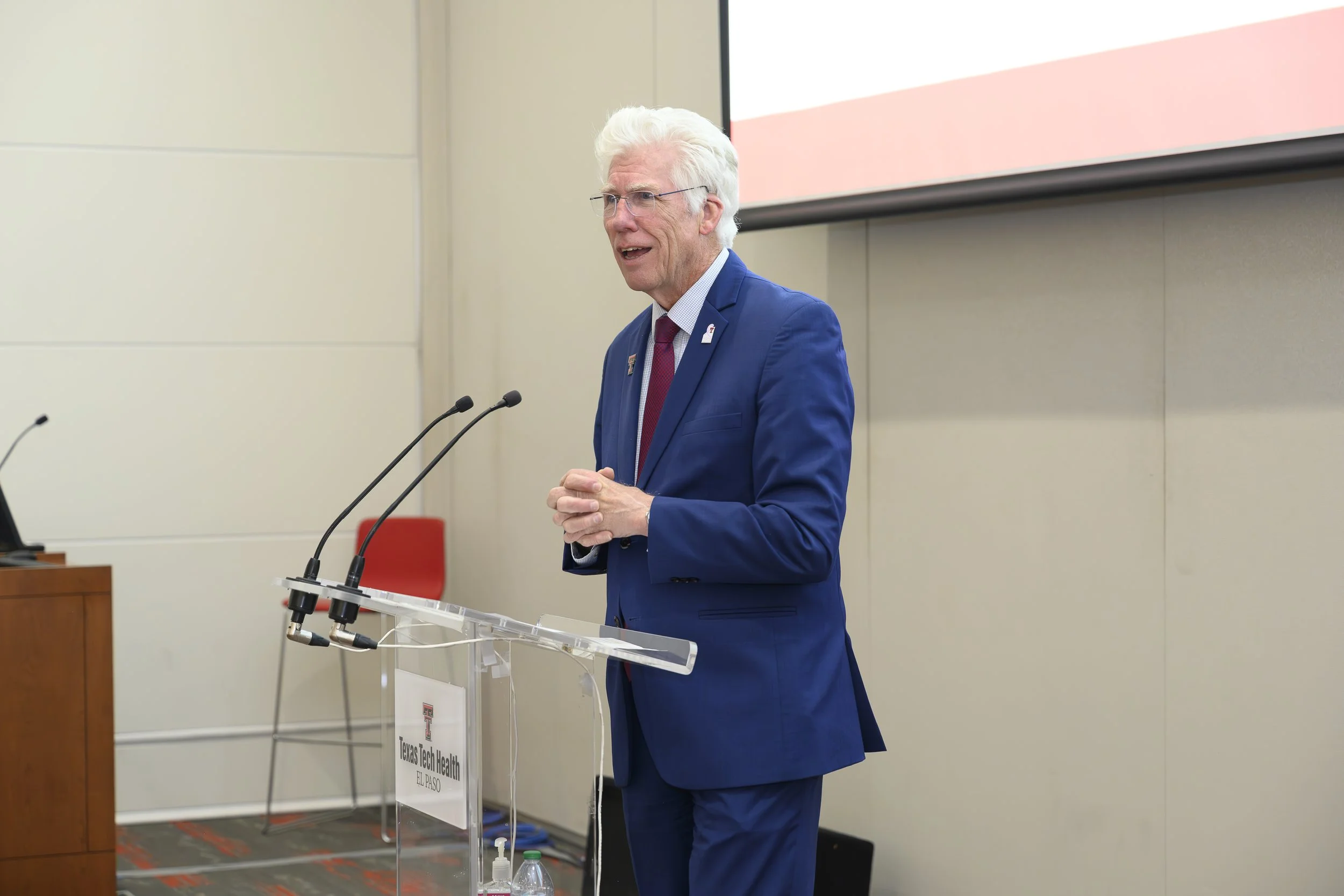
The dean of the Francis Graduate School of Biomedical Sciences, Rajkumar Lakshmanaswamy, Ph.D., called Escobar's support a pivotal investment that the community has waited on long enough.
“Our region has been historically understudied when it comes to cancer research and clinical trials,” said Dr. Lakshmanaswamy. “We are going to change that.”
Added Dr. Lakshmanaswamy: “I hate this disease with a passion. It took my father and all four grandparents. So, we will survive and we will conquer this disease. It's just a matter of time.”
The availability of LINAC technology in El Paso is expected to contribute to much-needed research data about cancer treatment in our border population. El Paso is geographically separated from the major cancer centers that conduct clinical trials, recruit specialists, and shape national treatment standards. However, our geographic isolation makes our region a valuable research destination because it represents one of the largest, least-studied Hispanic populations in the United States.
By housing a LINAC within a comprehensive cancer center, Texas Tech Health El Paso can attract radiation oncologists and cancer researchers who rely on this equipment. Those recruits will also strengthen training programs for the next generation of specialists who may choose to stay and serve the community.
The Fox Cancer Center is funded through a coalition of public and private investments. It includes more than $130 million from the Texas Legislature, $25 million from the Fox family, $30 million through a University Medical Center of El Paso bond issue, and $5 million from the Paso del Norte Health Foundation. Congresswoman Escobar's federal contribution will support one of the center’s most expensive and clinically essential pieces of equipment.
About Texas Tech Health El Paso
Texas Tech Health El Paso serves 108 counties in West Texas and is dedicated to preparing the next generation of healthcare heroes. Established as an independent university in 2013, Texas Tech Health El Paso is a uniquely innovative destination for medical, nursing, biomedical sciences and dental education.
Focusing on excellence in healthcare education, research, and clinical service, Texas Tech Health El Paso has graduated over 2,600 professionals over the past decade. For more information, visit ttuhscepimpact.org.